
Dhows, cranes and cargo: a look at Bosaso Port
Wooden dhows tied up beside steel cargo ships: a walk along the quay at Bosaso, on the Gulf of Aden, shows how old and new sea trade work side by side.
2 min read
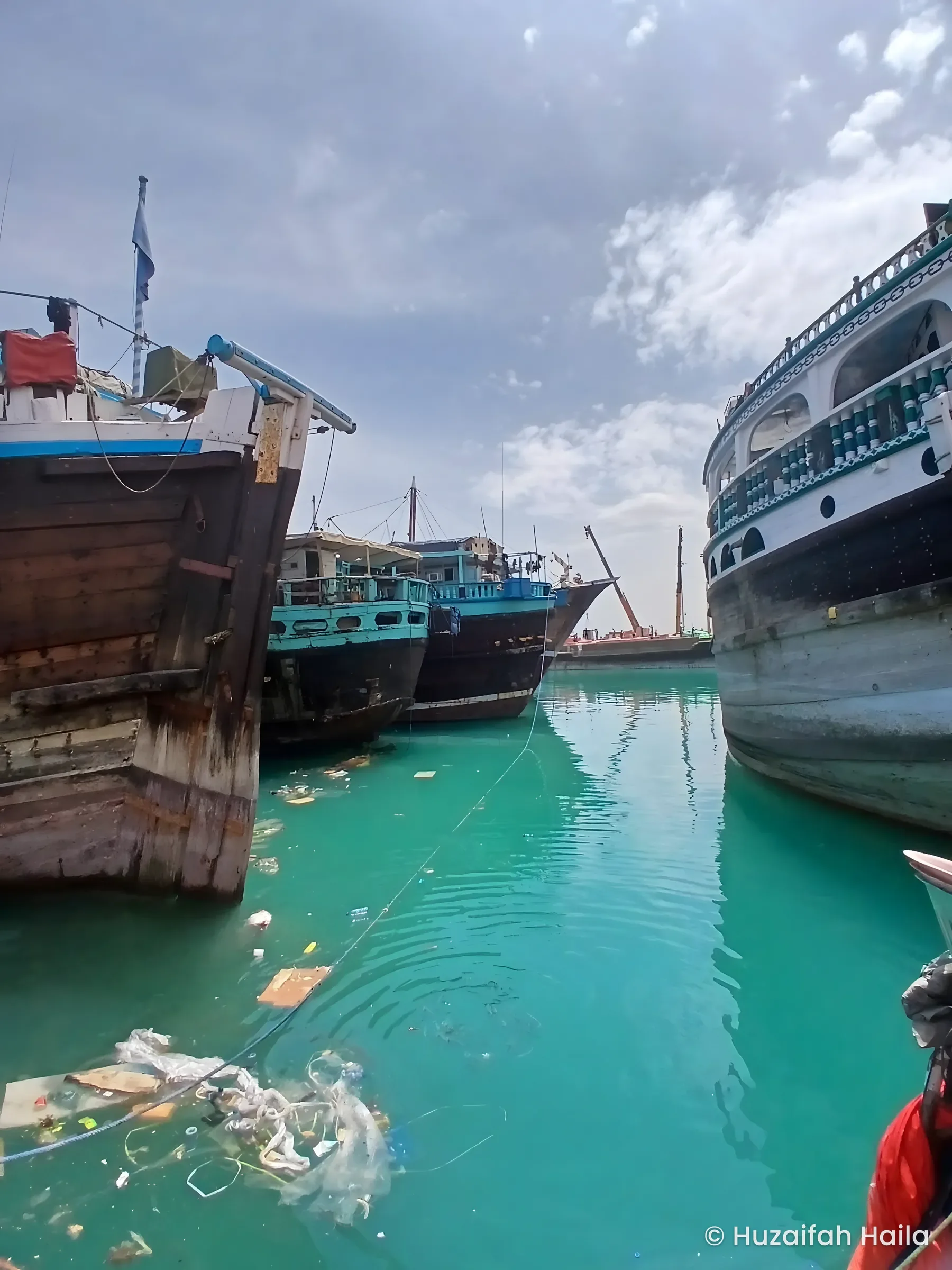
Bosaso is a port city in the Bari region of Somalia, on the Gulf of Aden. Its harbour is a working place: cranes lifting cargo onto the quay, trucks waiting to load, and boats of every size tied up along the wall.
The most striking sight is the mix. Large wooden dhows, the traditional trading vessels of the region, sit next to steel cargo ships. Some dhows are covered in bright tarpaulins to protect their loads from sun and spray.
Why ports matter to the coast
A port connects the sea to everything inland. Food, fuel, building materials and livestock move through it, and with them jobs for dock workers, drivers, traders and boat crews.
Ports also concentrate pressure on the water around them. Litter collects against the harbour wall, and fuel and waste from busy berths end up in the sea. Keeping a port clean is part of keeping it useful.
See more photographs from the quay in the HAILA gallery.
Keep reading
Read next
- Blue Economy
Farming the sea: what aquaculture can and cannot do
Fish, shellfish and seaweed can be farmed as well as caught. Done well, aquaculture adds food and jobs; done badly, it moves the pressure somewhere else.
2 min read
- Blue Economy
Marine tourism that protects the reef
Visitors come for clear water, turtles and coral. The best tourism keeps those things intact, and shares the income with the coast that provides them.
2 min read
 Blue Economy
Before the boat leaves: how a fishing trip is prepared
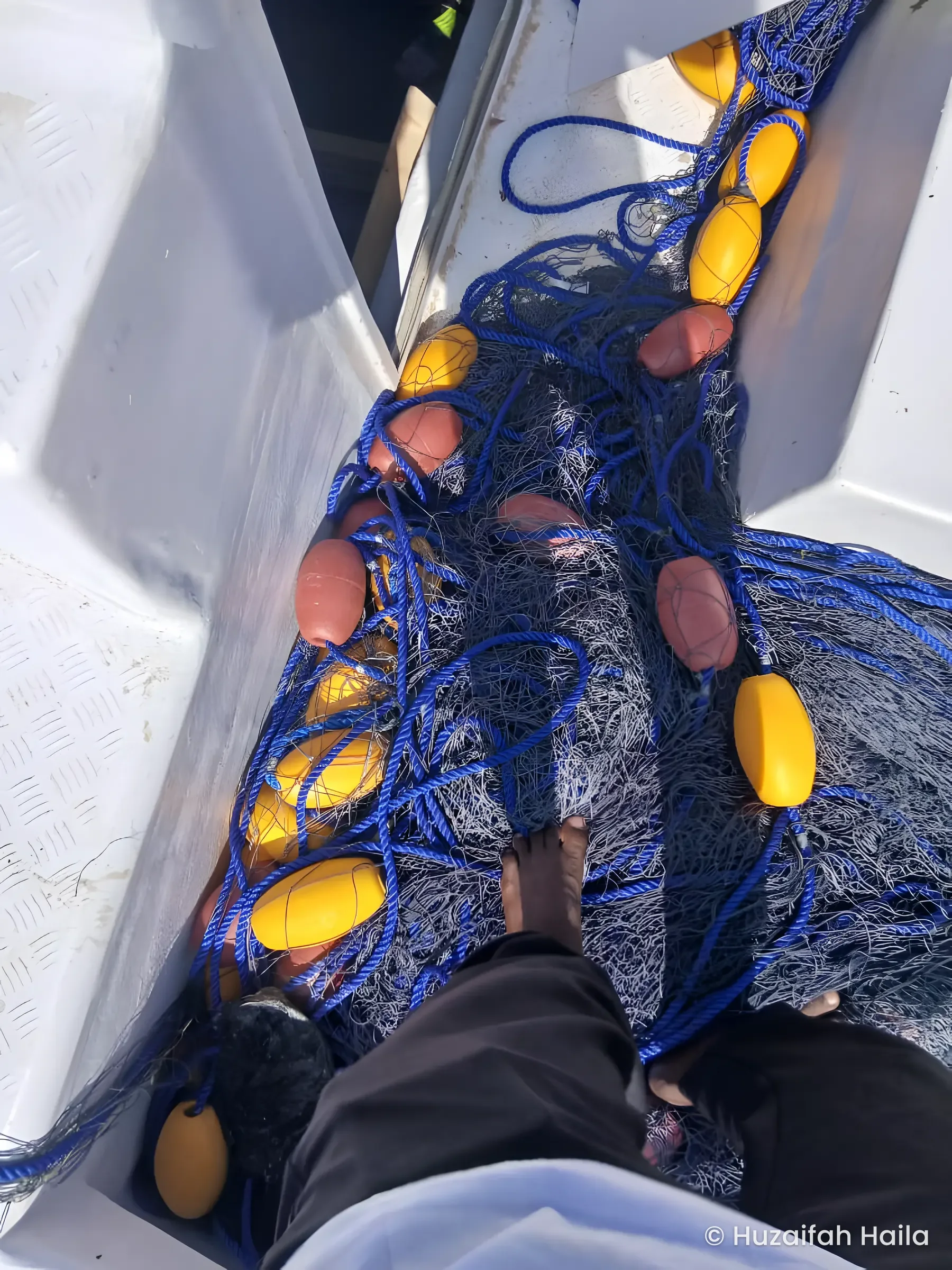
Fuel, ice, nets and a weather check. A good catch starts on shore, long before the boat reaches the fishing grounds.
2 min read

