
Farming the sea: what aquaculture can and cannot do
Fish, shellfish and seaweed can be farmed as well as caught. Done well, aquaculture adds food and jobs; done badly, it moves the pressure somewhere else.
2 min read

Aquaculture is farming in water: raising fish, shellfish or seaweed in ponds, cages, racks or lines instead of catching them in the wild. Around the world it now supplies a large share of the seafood people eat.
Different kinds of farming ask very different things of the sea. Seaweed and shellfish such as mussels and oysters need no feed at all; they grow on sunlight or on the plankton already in the water. Fish farms usually need feed, careful water management and space.
Where it helps
Farming can add a steady source of food and income alongside fishing, especially in coastal communities where wild catches vary from season to season. Seaweed and shellfish farms can also be started small, with simple equipment.
Where it goes wrong
Poorly placed farms can pollute the water around them, spread disease to wild fish, or replace habitats such as mangroves. The questions to ask are simple: what does the farm take from the sea, and what does it put back?
Good aquaculture starts with the right place, the right species and honest monitoring of the water over time.
Keep reading
Read next
- Blue Economy
Marine tourism that protects the reef
Visitors come for clear water, turtles and coral. The best tourism keeps those things intact, and shares the income with the coast that provides them.
2 min read
 Blue Economy
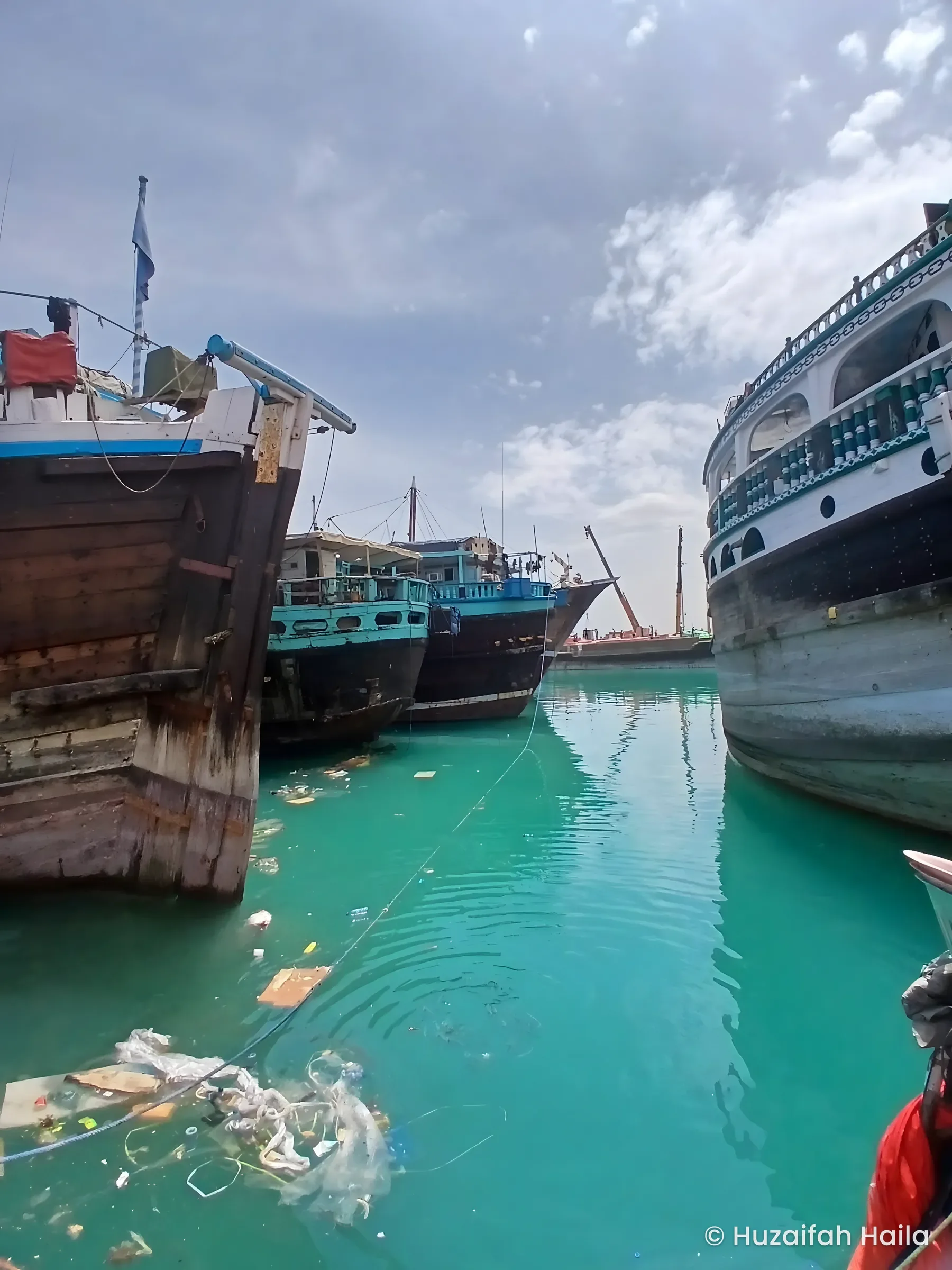
Dhows, cranes and cargo: a look at Bosaso Port
Wooden dhows tied up beside steel cargo ships: a walk along the quay at Bosaso, on the Gulf of Aden, shows how old and new sea trade work side by side.
2 min read
 Blue Economy
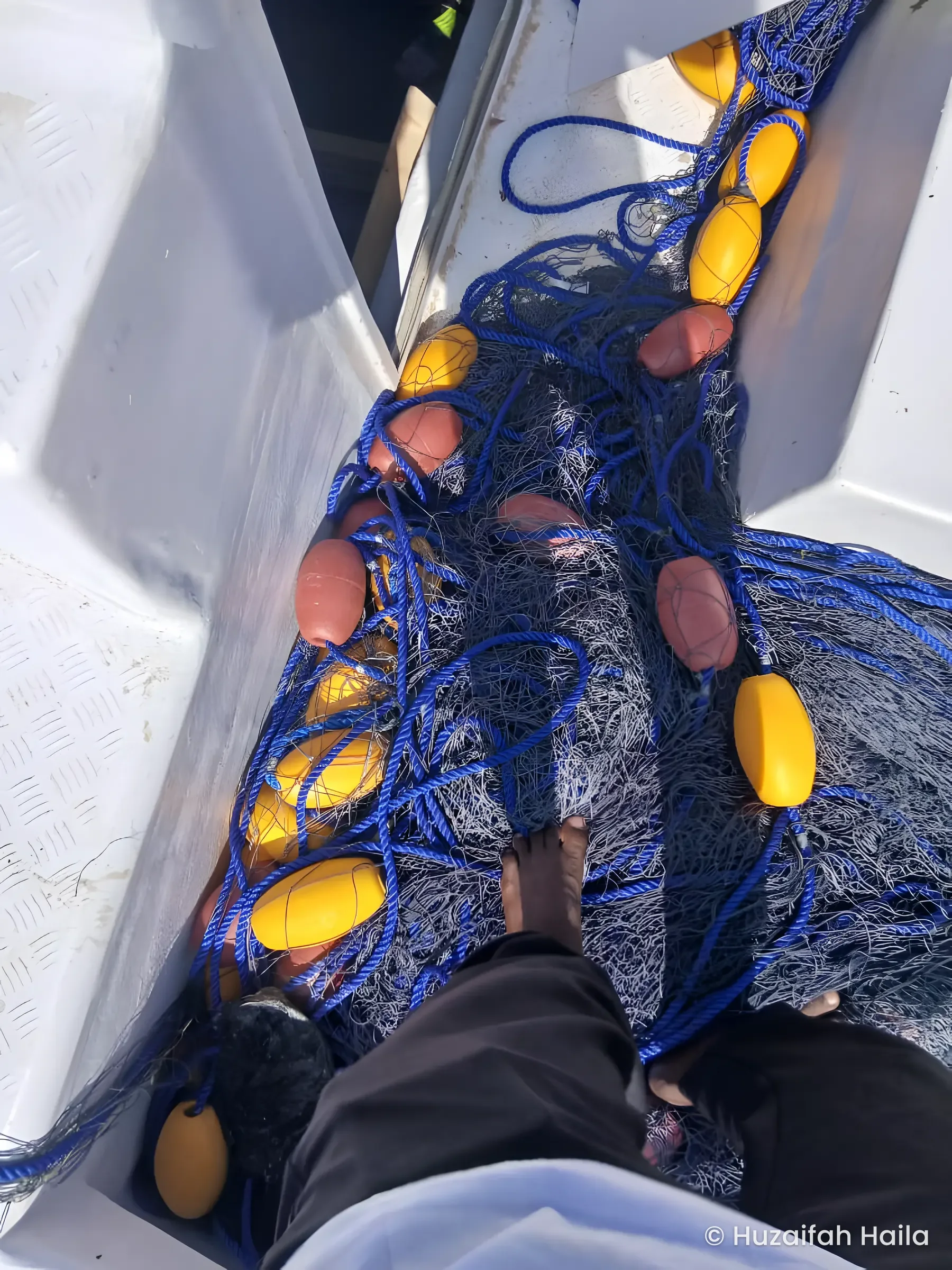
Before the boat leaves: how a fishing trip is prepared
Fuel, ice, nets and a weather check. A good catch starts on shore, long before the boat reaches the fishing grounds.
2 min read
